
Physical Access Control: Who’s In and Who’s Out?
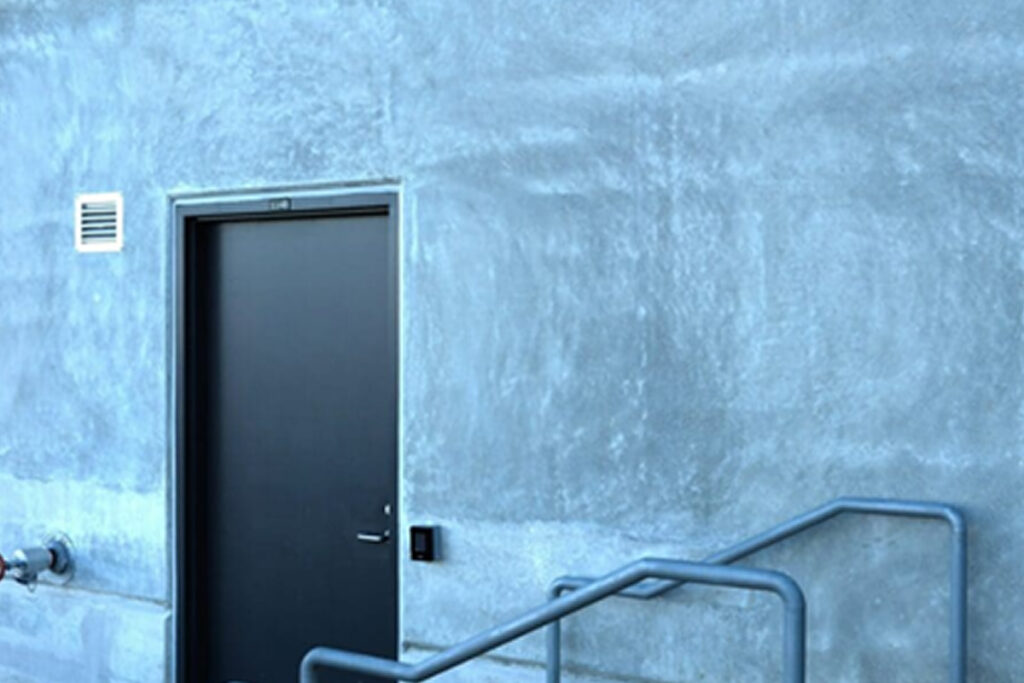
Imagine this: you walk into your office, swipe your badge, and the door smoothly unlocks. Seems simple, right? But behind that seemingly effortless entry lies a complex and vital system: physical access control.
It’s the silent guardian, the gatekeeper ensuring only authorized individuals enter sensitive areas. In today’s world, where data breaches and security threats are on the rise, robust physical access control is no longer a luxury—it’s a necessity. And it’s not just for big companies alone, even homes, religious spaces, and schools need a scalable and effective physical access control system.
So, how does a physical access control system work?
What is Physical Access Control?
Physical access control refers to mechanisms and protocols designed to regulate access to physical spaces, buildings, or resources. Its primary goal is to limit access to authorized personnel while preventing unauthorized entry. This can range from security guards at the entry and exit points, to simple locks and keys to sophisticated biometric identification systems.
Think of it as a layered defense. First, we have the hardware: agile security personnel, sturdy doors, locks, gates, and even turnstiles. These physical barriers create the initial obstacle to unauthorized entry. But they’re just the first line of defense, closely followed by the smart physical access control systems (PACS).
Smart PACS? What are those?
Introducing: Smart Physical Access Control Systems
Interestingly, the landscape of access control has evolved significantly. Traditional lock-and-key systems are now replaced by more sophisticated (smart) methods. For instance, proximity cards and key fobs use radio frequency identification (RFID) technology to grant access based on pre-defined permissions. Meanwhile, biometric systems utilize unique biological traits like fingerprints, iris scans, or facial recognition for authentication.
Imagine a virtual map of your building, with different areas assigned access levels. A janitor might have access to the entire building, while a marketing intern’s access might be limited to the lobby and break room.
But it’s not just about doors and cards. PACS can also be integrated with other security systems like CCTV and intrusion detection, creating a comprehensive security web. Imagine a camera automatically capturing the face of someone attempting unauthorized entry, while an alarm alerts security personnel. That’s security on steroids!
Benefits of Robust Physical Access Control
Enhanced security is the foremost benefit of effective access control. It not only protects your physical assets but also prevents unauthorized access to sensitive areas, reducing the risk of theft, vandalism, or data breaches. But it doesn’t end there, access control systems also provide valuable data on entry and exit times, aiding in accountability, analytics, and monitoring.
A tailor-made, industry-standard PACS also helps your organization meet legal and regulatory requirements for data protection. It also offers streamlined access, by providing seamless entry for authorized users and ultimately boosting productivity.
Real-Life Examples of Physical Access Control
Take, for instance, the healthcare sector. Hospitals handle sensitive patient information and house expensive medical equipment. Implementing stringent access control measures ensures that only authorized staff can access patient rooms or high-value equipment, reducing the risk of theft or tampering.
Similarly, in corporate environments, access control systems help protect intellectual property, and secure confidential documents. By restricting unauthorized access to specific departments, units, or areas, PACS makes it possible to ensure that sensitive information remains safe from prying eyes.
In short, a responsive, scalable physical access control framework is one investment you’ll never lose your money on.
The Future of Access Control
Technological innovations continue to shape the future of access control. Artificial intelligence (AI) and machine learning are enhancing systems, enabling predictive analysis of security threats and behavior patterns. Moreover, the Internet of Things (IoT) is facilitating interconnected security systems, allowing for seamless integration and centralized management.
Conclusion
In a digital era fraught with security risks, the adage holds: It’s better to be safe than sorry. Implementing and regularly updating access control systems remains pivotal in protecting what matters most.
Don’t forget: it’s not just about who’s in, but also about who’s out—keeping your space safe and secure from internal vulnerabilities and external threats.
Do you have any inquiries, or do you need help with your Physical Access Control Measures? Don’t hesitate to get in touch with us today. Call/Whatsapp Trivest Technologies on +234-802-230-6494 or forward a mail to contact@trivest-group.com